- Category
- Engineering & IT
- Developer
- Statsig, LLC
- Website
- (opens in a new window)
How it works
Bring your Statsig workspace into Codex. Product builders can now explore, manage, and create Statsig experiments, feature gates, dynamic configs, and more directly in Codex conversations. Ask things like: “Move this experiment to 50% rollout.” “Turn on this feature gate for all users.” “Show me which dynamic configs changed this week.” "Explain how the DAU metric is defined.” You can both read and write to Statsig: inspect experiment settings, read metric definitions, update allocations, toggle feature flags, edit targeting rules, and modify dynamic config values directly from Codex. The app connects through Statsig’s MCP server and honors your existing Statsig permissions, so you only see and change what you’re authorized to access—across projects, environments, and teams.
What else can you do?
Review an experiment decision
Statsig Review the shorter_blog_titles experiment. Summarize primary and guardrail results, assess uncertainty, and recommend whether to ship, continue testing, or revise the experiment, with supporting evidence.
Choose activation metrics
Statsig Find metrics relevant to a seven-day activation experiment. Compare their definitions and sources, recommend one primary metric and two guardrails, and explain any measurement gaps before launch.
Audit recent rollout changes
Statsig Review feature gate and dynamic config changes from the past seven days. Summarize what changed and who made each change, then prioritize items for review based on their targeting and rollout impact.
What’s included
App
Statsig
Resources
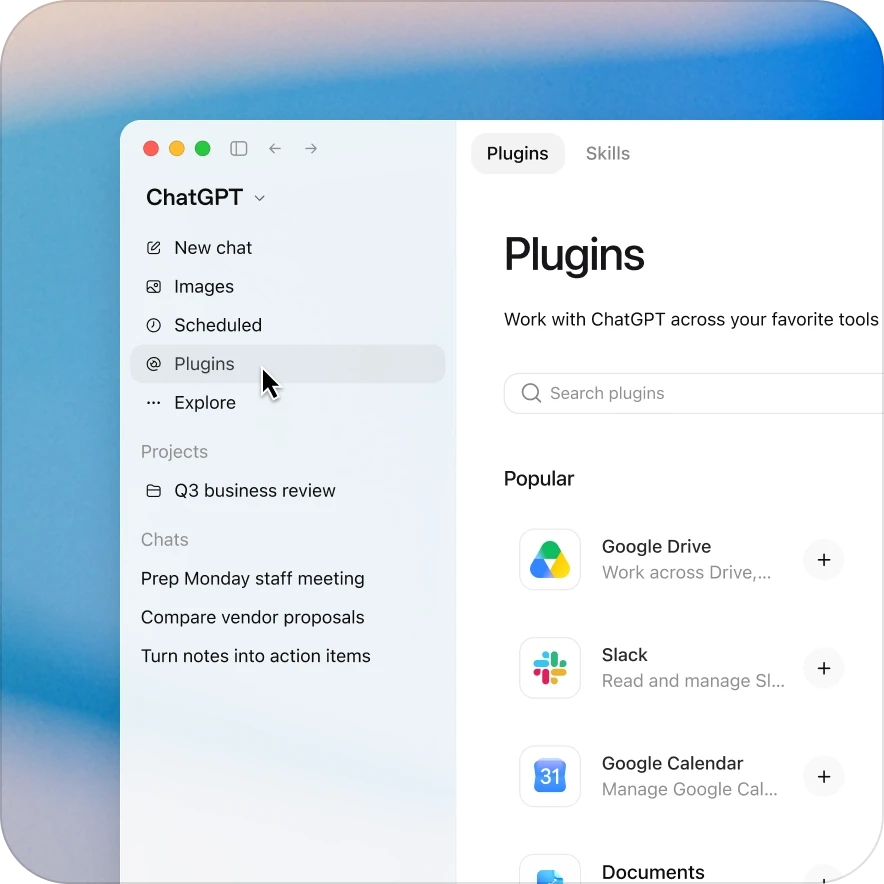
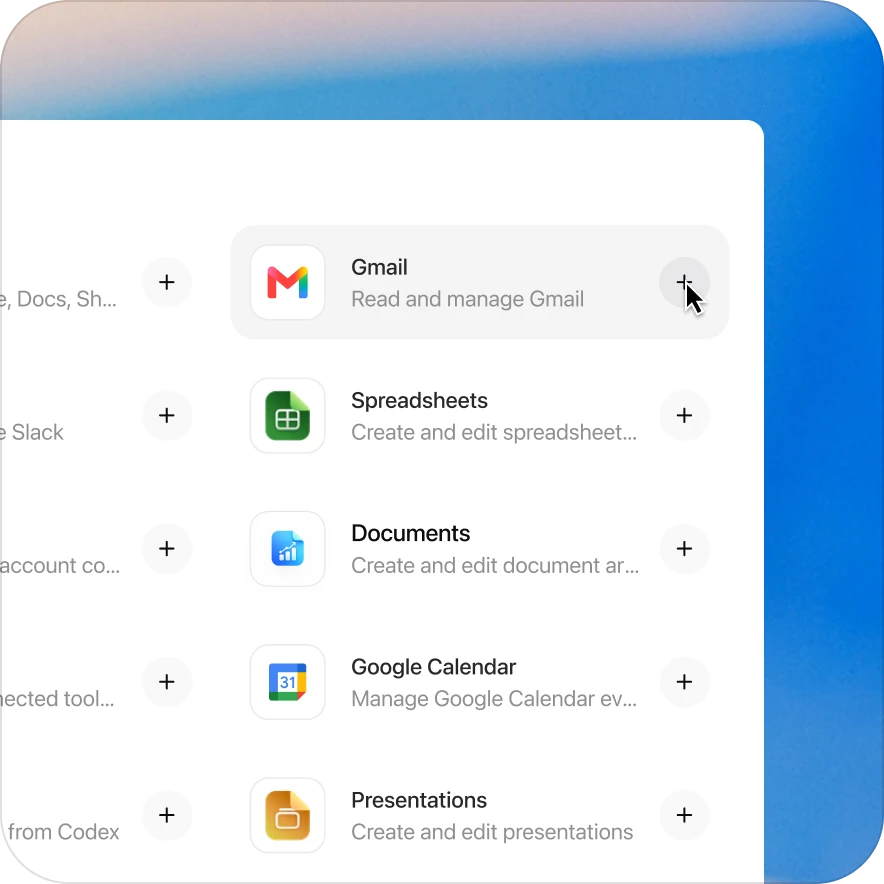
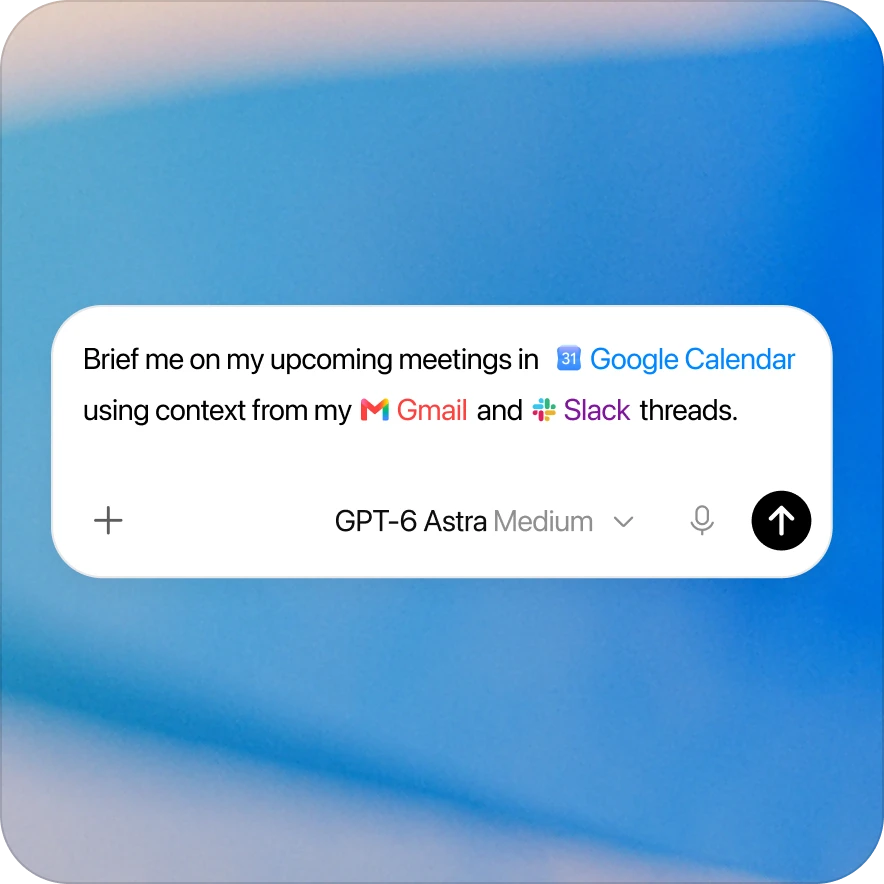
Add plugins in a few clicks
Availability depends on the plugin, your plan, and workspace settings. Some connections require admin setup or approval. Contact your workspace admin if access is blocked.